
Did You Know That Most Businesses and Professional Practices Don’t Upgrade Because They Think Their Site is “Fine as it is”?
Website compliance is important for any business that has a website but particularly important if you’re an attorney, CPA, or medical practice. Consider these potential risks to your reputation if your website isn’t upgraded to today’s standards.
Non-compliance (ADA accessibility issues = legal exposure)
In recent years, thousands of businesses have faced ADA-related lawsuits over inaccessible websites. Website accessibility falls under the Americans with Disabilities Act, with standards outlined by the Web Content Accessibility Guidelines.
- Typical Accessibility Problems
- Images without alt text for screen readers
- Poor color contrast that makes text unreadable
- Navigation that doesn’t work with a keyboard
- Videos without captions
- Forms that screen readers cannot interpret
Outdated security (SSL issues, plugins, vulnerabilities)
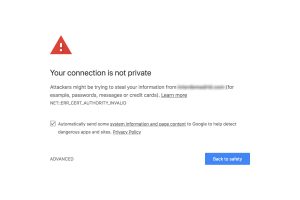 No one want to see this screen associated with their website. If a website is compromised, it can damage the firm’s reputation; expose confidential data; trigger compliance concerns; and risk Google blacklisting your website.
Examples of security issues
- Expired SSL certificates showing “Not Secure” warnings in browsers (However, this is not always the case when this screen is visible) Sometimes it’s a false warning due to a number of issues unrelated to the website being unsecure.
- Outdated plugins with known security vulnerabilities
- Outdated CMS software that hackers can exploit
- Insecure contact forms collecting client information
- Malware injections that redirect visitors to spam sites
Slow load times (Google ranking loss)
Speed is now a major ranking factor for search engines. If a website loads slowly, two things happen: 1) Google pushes it lower in search results; 2) potential clients leave before it finishes loading. Studies show that when a site takes more than 3 seconds to load, many visitors abandon it.
Common Causes of Slow Websites
- Large, unoptimized images
- Cheap or overloaded hosting
- Excessive plugins
- Poor coding structure
- No caching or performance optimization
Poor mobile usability (majority of searches today are mobile)
Today, most searches happen on smartphones. People often search for help while at work, at home, in their car, or sitting in a waiting room. If a website isn’t optimized for mobile, users struggle to interact with it for these reasons:
Types of issues when viewing from a mobile phone:
- Text too small to read
- Buttons too small to tap
- Forms difficult to complete
- Navigation menus hard to use
- Pages that require zooming and scrolling
- No “Click to call” button
Weak messaging = lost high-value cases
Many professional websites focus on the practice instead of the client and offer long biographies and credentials. This makes the website “practice focused” rather than “client focused.” While it’s important for visitors to know that you have the experience, there must be a good balance offered.
Visitors want quick answers to questions like:
- Are you the type of practice I need for my situation?
- How experienced are you?
- What should I do next?
- How do I contact you right now?
We can help…Contact us to get your website compliant.